Trending Searches
The Elusive Nature of the 'Endgame' Watch: Understanding Collector's Desire
Many enthusiasts harbor a vision of a definitive timepiece, a 'grail watch' that represents the pinnacle of their horological aspirations and promises ultimate fulfillment. This cherished item, often seen as an 'endgame' acquisition, is expected to bring a sense of completeness to their collecting journey. However, human nature's complex interplay with desire often leads to a phenomenon known as 'grail creep,' where the quest for satisfaction becomes an unending pursuit. This suggests that our intrinsic biological programming drives us towards continuous yearning rather than static contentment, making the notion of a final, eternally satisfying acquisition a perpetual myth.
Understanding the transient nature of satisfaction in collecting, particularly with 'grail watches,' reveals a deeper psychological mechanism at play. Our brains are wired for perpetual desire and ambition, not for prolonged states of pleasure. This biological imperative ensures we remain active and goal-oriented. While the anticipation and pursuit of a desired object can be intensely gratifying, the actual acquisition frequently leads to a temporary high, soon followed by a return to baseline and the emergence of new desires. This 'hedonic adaptation' means that what was once a ultimate goal quickly becomes the new normal, prompting the search for yet another, even more extraordinary item.
The Psychology of Shifting Desires in Watch Collecting
In the realm of horological pursuits, the concept of a "grail watch" frequently serves as the ultimate aspiration for many enthusiasts. This idealized timepiece is imagined as the absolute pinnacle of their collection, offering a promise of enduring satisfaction and bringing an end to their quest. Yet, the human experience of desire and fulfillment is rarely linear or permanent, suggesting that our biological makeup inherently prevents us from achieving perpetual contentment from any single acquisition. This fundamental aspect of our psychology explains why the pursuit of an "endgame watch" often evolves into an ongoing cycle, a phenomenon best understood through the lens of shifting desires.
The deep-seated drive for desire is rooted in our evolutionary history, acting as a powerful motivator for survival and progress. While meeting basic needs brings temporary relief, the underlying system is not designed for lasting gratification; instead, it propels us through successive motivational states. This constant pursuit, whether for personal achievement, social standing, or material possessions like a cherished timepiece, is what fuels ambition. The pleasure derived from attaining a goal is often a fleeting signal, reinforcing the behavior but quickly giving way to new aspirations. This inherent dynamic ensures that collectors, no matter how significant their latest acquisition, will likely find their attention drawn to the next captivating object, making the journey of collecting an endless exploration of evolving passions rather than a finite destination.
Navigating the Continuous Cycle of Acquisition and Aspiration
The concept of "grail creep" highlights a fascinating aspect of consumer psychology, particularly within passionate collecting communities like watch enthusiasts. This phenomenon, often referred to by psychologists as hedonic adaptation, illustrates that even the most anticipated positive changes or acquisitions seldom result in sustained pleasure. Initially, the excitement surrounding a new "grail watch" provides a significant boost in happiness; however, this elevated state gradually diminishes as the novelty fades and the item becomes a regular part of one's life. Concurrently, the achievement often raises the bar for future aspirations, setting in motion a continuous cycle where new desires emerge as previous ones are fulfilled.
For dedicated collectors, recognizing and managing this inherent cycle of desire and temporary satisfaction is key to a healthy and enjoyable hobby. One approach involves embracing the continuous pursuit, understanding that the joy often lies more in the research, anticipation, and community engagement surrounding a potential acquisition than in the ownership itself. Alternatively, some collectors choose a more disciplined path, consciously avoiding the final purchase of certain highly coveted items to prolong the pleasurable state of desiring without succumbing to the transient satisfaction of ownership. This strategy helps avert the potential disappointment that can follow an acquisition, allowing the enthusiast to perpetually engage with the fantasy and allure of the "grail" without triggering hedonic adaptation. Ultimately, navigating "grail creep" means finding a personal balance between the thrill of the chase and the reality of possession, ensuring the hobby remains a source of ongoing fascination.
Related Articles
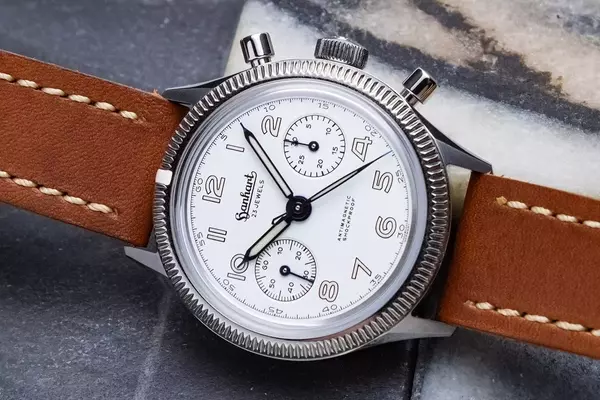
Hanhart 417 ES Moby Dick: A Refined Pilot's Chronograph with Vintage Appeal
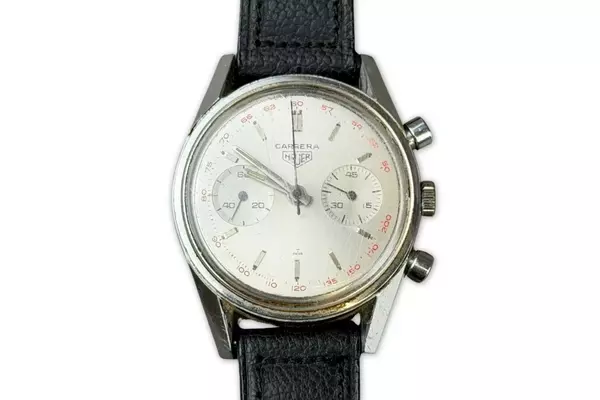
A Curated Selection of Timepieces: Universal Genève, Longines, Omega, Porsche Design, and Zenith