Trending Searches
Patek Philippe's Split-Seconds Pocket Watches: A Historical Overview
This deep dive explores the fascinating heritage of Patek Philippe's split-seconds pocket watches, an essential chapter in the brand's storied watchmaking journey. Building on previous discussions of Patek's split-seconds wristwatches, this piece illuminates the foundational role played by their pocket watch predecessors. The story intricately connects to a century-long partnership with a crucial supplier, a relationship instrumental in solidifying Patek Philippe’s status as a horological titan. While countless words could be dedicated to these complex timepieces, this overview focuses on key developments and the enduring influence of master movement makers, particularly Victorin Piguet.
From the late 19th century through the mid-20th century, Patek Philippe's split-seconds pocket watches represented the pinnacle of horological innovation and craftsmanship. This era witnessed the integration of groundbreaking chronograph mechanisms with the intricate "catch-up" function, laying the groundwork for some of the most sought-after watches ever created. The article chronicles the various suppliers and design approaches Patek employed, emphasizing the bespoke nature of these early pieces before mass production became the norm. It also details exceptional examples, such as the unique double-movement watches commissioned by figures like John Motley Morehead III, and rare pieces featuring artistic miniature enamel painting. These timepieces not only demonstrate technical prowess but also reflect a rich tapestry of historical collaboration and artistic expression in high watchmaking.
The Pivotal Role of Victorin Piguet in Patek Philippe's Split-Seconds Heritage
The journey of Patek Philippe’s split-seconds pocket watches is inextricably linked with the ingenuity of Victorin Piguet and his family. Beginning in the late 1870s, Piguet Frères, founded by Victorin Émile Piguet and his brother William-Alfred, became a primary supplier of ébauches (unfinished movements) to Patek Philippe. This partnership was crucial as Piguet's expertise in complications, particularly chronographs and rattrapantes, allowed Patek to incorporate these intricate functions into their timepieces. Victorin Piguet's workshop, initially in Geneva and later in Le Sentier, was at the forefront of developing sophisticated mechanisms. His influence was so profound that his name is specifically recognized in Patek Philippe’s museum catalog for chronographs, underscoring his indelible mark on the brand’s technical achievements and its expansion into complex watchmaking.
Victorin Piguet’s contributions extended beyond just split-seconds mechanisms; he was instrumental in creating Patek’s first minute-repeating wristwatches and highly complex perpetual calendar minute-repeating chronographs. The Piguet family’s workshops produced a variety of ébauches that Patek Philippe then meticulously finished, often adding their distinctive touches such as polishing and chamfering. This collaboration highlights a period where watchmaking was driven by highly specialized artisans whose innovations were adopted and refined by leading brands. The diversity of Piguet-sourced movements, from the widely used 18''' ébauche to unique central-counter designs, reflects the dynamic and evolving landscape of 19th and early 20th-century horology. Even after Patek began diversifying its suppliers, the Piguet lineage remained a significant part of its grand complication history, illustrating a legacy of innovation and craftsmanship that continues to resonate with collectors and historians.
Evolution and Exceptional Complications in Patek Philippe Pocket Watches
Following the foundational period dominated by Victorin Piguet, Patek Philippe continued to push the boundaries of pocket watch complications, integrating split-seconds functions with other sophisticated mechanisms. While the combination of split-second and minute repeaters only appeared on Patek wristwatches much later, it was a common feature in their pocket watches as early as the 19th century, with nearly five times as many such pieces produced compared to standalone split-seconds models. This era also saw Patek exploring more modern aesthetics and diverse movements, especially as the supply of Piguet ébauches diminished. The brand utilized other esteemed suppliers like LeCoultre and even incorporated Valjoux-based calibers, transitioning towards designs that would define their mid-20th-century watches.
Among the most remarkable examples from this period are watches commissioned by discerning patrons like John Motley Morehead III, including a double-movement timepiece featuring six hands on a single axis for dual time-telling and split-seconds functionality – a testament to extreme micro-mechanical precision. Another exceptional piece is the Suzanne Rohr miniature-painted ref. 864, which combines a perpetual calendar, minute repeater, and split-seconds in a small 16''' caliber, illustrating Patek's ability to incorporate intricate complications within a compact design, often utilizing older, unused ébauches. Furthermore, the unique Patek ref. 767 “Double Split” stands as a pinnacle of complexity, capable of tracking three elapsed times simultaneously. These extraordinary pocket watches, many of which now reside in the Patek Philippe Museum or private collections, underscore the brand’s relentless pursuit of horological excellence and innovation throughout its history.
Related Articles
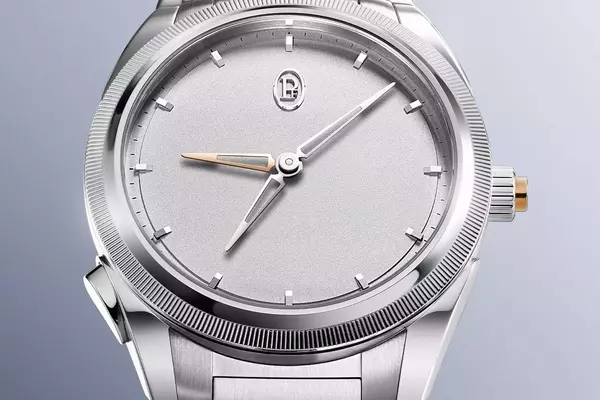
Parmigiani Fleurier's Platinum Trilogy: Celebrating Three Decades of Horological Excellence
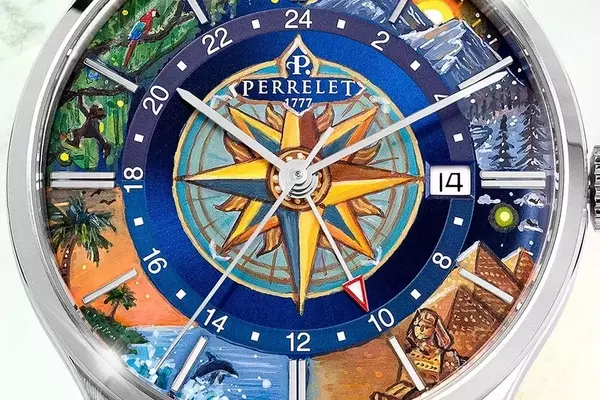
Discover the World with the IFL Watches × Perrelet Weekend GMT Atlas