Trending Searches
The Strategic Collector: Balancing Investment and Passion in the Watch Market
Recent shifts in the global market have sparked a crucial discussion within the watch collecting community: the delicate balance between acquiring timepieces for financial gain and pursuing them for personal enjoyment. While this dichotomy isn't entirely clear-cut, changes in market dynamics and collector behavior over the past six years are undeniable. As the value of specific brands and models surged, the secondary market indicated a clear trend of individuals leveraging these opportunities for profit, leading to a re-evaluation of the traditional motivations behind collecting, such as pure enjoyment or personal preference.
According to Charles Tian, Founder and CEO of WatchCharts, market excitement isn't inherently positive or negative. He notes that a certain level of "hype" is natural for a thriving market, reflecting the passion of its participants. The key, he suggests, lies in how individuals navigate these enthusiastic periods within their own collecting journeys. The WatchCharts and Morgan Stanley quarterly report for Q1 2026 highlights a continuing positive trend that began in 2025, following a downturn after a 2022 peak. This recovery period was crucial for market stabilization and saw significant momentum, particularly in iconic brands like Rolex, Patek Philippe, and Audemars Piguet, which often set the pace for the broader market.
While some seasoned collectors might resist relying on analytics for their acquisitions, newer generations face a vastly different landscape compared to their predecessors. Tian recalls a time when market insights were fragmented and speculative, largely disseminated through informal forums. Today, resources like the WatchCharts and Morgan Stanley reports provide comprehensive data, empowering collectors to make informed decisions regarding purchases, sales, and the overall management of their collections. The contemporary watch market demands a sophisticated approach, making collecting less whimsical but potentially more rewarding. Tian emphasizes that these market evolutions have fostered a larger, more diverse market, offering a greater variety of brands and designs, which ultimately benefits collectors.
Ultimately, regardless of a collector's budget or their intent to buy, sell, or simply cherish their timepieces, market dynamics play a significant role. Tian believes that every collector, even those with substantial resources, should aim to be value-driven. He asserts that understanding historical valuation trends enables collectors to make strategic decisions that enhance their collections. Furthermore, he underscores the importance of protecting valuable acquisitions through services like Hodinkee Insurance, highlighting that awareness of value extends beyond mere transactions to safeguarding cherished possessions.
Related Articles

Movado Introduces the Alta Centurion: A Forward-Looking Tribute to 145 Years of Swiss Watchmaking Innovation
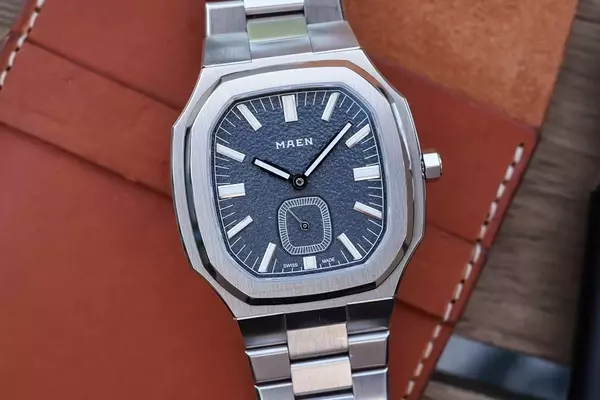
Maen Manhattan 37 Ultra-Thin: A Deeper Look at the Blue Tuscan Dial Edition