Trending Searches
Watch Advertisements: Navigating the Misleading Language of the Horology World
In a recent episode of Fratello On Air, the hosts unpacked the often-ambiguous language prevalent in watch advertising. With a lighthearted yet critical approach, they explored common phrases that can lead collectors astray, especially when dealing with vintage timepieces. The discussion centered on how certain descriptors, while seemingly straightforward, are frequently employed in ways that stretch the truth, potentially distorting a watch's actual condition or provenance. This candid conversation serves as a crucial guide for anyone navigating the intricate world of watch collecting, emphasizing the importance of discerning the genuine meaning behind marketing rhetoric.
The podcast also touched upon recent events and personal acquisitions. One host shared their experience test-driving a new, limited-edition Angelus Tinkler, a high-value piece debuted at Watches and Wonders 2026, promising a detailed review in the near future. Meanwhile, the other host proudly showcased a new Hamilton Khaki Field Mechanical 36mm, praising its design and wearability as it prepares for an upcoming trip to Brazil. These personal anecdotes provided a relatable entry point into the broader theme of watch enthusiasm, demonstrating the tangible connection collectors have with their timepieces.
Deceptive Language in Watch Marketing
The hosts of Fratello On Air critically examined several terms commonly found in watch advertisements, revealing how they can be used to mislead buyers. The phrase “new old stock,” for instance, often suggests an untouched, pristine vintage piece, yet many watches described this way exhibit clear signs of prior use or wear. This discrepancy can significantly impact a buyer's perception of value and authenticity. Similarly, the designation “military watch” is frequently applied broadly to any field-style watch with a black dial and Arabic numerals, regardless of whether it was actually issued to armed forces personnel. Such generalizations obscure the true history and specific context that collectors often seek, underscoring the need for greater precision in horological descriptions.
Further into the discussion, terms like “tropical,” “unpolished,” and “rare” were dissected for their often-inflated or misrepresented connotations. A “tropical” dial, for example, is used to describe a patinated dial, implying a desirable aging effect, but this can sometimes be a euphemism for damage or improper care. The term “unpolished” often appears in listings without clear evidence to support the claim, raising questions about the seller's actual knowledge of the watch's history. And while some watches are genuinely uncommon, the label “rare” is frequently overused to unjustifiably boost perceived value. These examples highlight the pervasive nature of ambiguous language in the watch market, making informed decisions challenging for collectors.
The Intricacies of Watch Descriptions and Collector Insights
The podcast episode illuminated the subtle yet significant ways in which language can shape perceptions within the watch collecting community. The hosts' analysis of terms such as “new old stock” and “military watch” underscored the importance of verification and historical accuracy. They pointed out that an item marketed as “new old stock” might still bear visible imperfections, challenging the buyer's expectation of an unworn piece. Meanwhile, the term “military watch” often lacks the necessary specificity, potentially leading collectors to believe a timepiece has a more significant martial provenance than it actually does. This segment of the discussion served as a cautionary tale, urging enthusiasts to look beyond superficial marketing claims.
In delving deeper, the discussion explored how words like “tropical,” “unpolished,” and “rare” are often creatively, if not misleadingly, employed. A “tropical” dial, referring to a discolored or faded watch face, is frequently presented as a unique characteristic that enhances a watch's appeal, even when the discoloration might stem from neglect rather than desirable aging. The assertion that a watch is “unpolished” is another point of contention, as it implies a pristine original condition that is difficult for sellers to genuinely confirm without extensive provenance. Furthermore, the term “rare” is often liberally applied to watches that are merely uncommon, rather than genuinely scarce, thereby artificially inflating their perceived market value. The hosts invited listeners to share their own experiences with exaggerated watch descriptions, fostering a community dialogue on ethical advertising practices in the horology world.
Related Articles
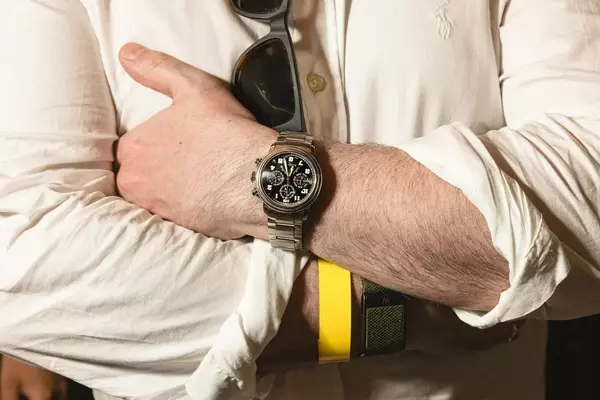
Hodinkee's June 2026 Happy Hour: A Photographic Review of Notable Timepieces
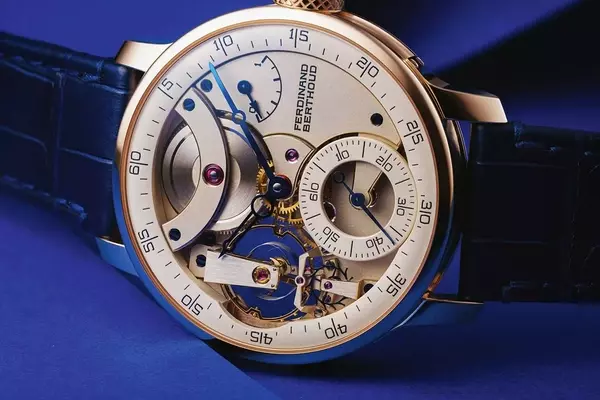
Ferdinand Berthoud Unveils New Chronomètre FB 3SPC.2-1 in Rose Gold with Cylindrical Balance Spring