Trending Searches
A Comprehensive Guide to Appraising Vintage Timepieces: Avoiding Common Pitfalls
Embarking on the journey of acquiring vintage timepieces can be both exhilarating and daunting. This comprehensive guide aims to equip new enthusiasts with the discerning eye needed to navigate the vibrant yet intricate market for pre-owned watches, steering them away from potential missteps. Rather than pursuing an unblemished, museum-quality specimen from the outset, a pragmatic 'player-grade' perspective is advocated, especially for those beginning their collection. This approach acknowledges that most accessible vintage watches will carry some unique imperfections, which, with the right knowledge, can be embraced as part of their character.
When contemplating the purchase of a vintage watch, three critical areas demand attention: the originality of its components, its overall physical state, and the completeness of its accompanying items. Starting with the watch’s configuration, meticulous research into the specific model and its typical production era is paramount. Every element, from the dial and hands to the crown, should be scrutinized to ensure consistency with the original design. This initial phase helps establish the watch’s authenticity and identifies any deviations from its factory-issued state.
Transitioning to the condition of the watch, the focus shifts to its general appearance. A holistic view is essential: does the watch exhibit uniform wear, suggesting a shared history among its parts? Or are there stark contrasts indicating recent repairs or replacements? The concept of 'patina,' or the natural aging process, is central here. While some may view discolored dials or faded luminescent material as flaws, others appreciate these as signs of a watch’s unique journey. The key is to determine if the patina enhances the watch’s appeal to you personally, rather than adhering strictly to an idealized, pristine standard.
Finally, the completeness of the set content adds significant value and transparency. The presence of the original bracelet, packaging, or historical documents can greatly enhance a watch’s desirability. Crucially, any recent servicing by a qualified watchmaker, especially with documented details of the work performed, provides reassurance regarding the watch’s mechanical integrity. Understanding these factors allows buyers to make informed choices, differentiating between acceptable signs of age and significant issues.
Identifying part substitutions and refurbishment efforts is a nuanced skill that develops with experience. Consider two Omega Seamasters from the 1950s: one proudly displays its aged dial, marked by radium burn and moisture, while the other appears almost new. The latter, despite its immaculate façade, reveals careful refinishing upon closer inspection, evidenced by subtle typographic inconsistencies. Similarly, a watch with a heavily patinated dial might still have non-original elements, such as refilled hands or a re-polished case, which can be challenging to detect without expert knowledge or specialized tools like a Geiger counter for lume authenticity. These examples underscore the importance of thorough due diligence and a balanced perspective.
Ultimately, adopting a 'player-grade' mindset empowers collectors to appreciate vintage watches for their inherent charm and history, rather than solely for their investment potential. This perspective encourages finding beauty in imperfections and recognizing that a watch that has 'lived a life' often possesses a more profound character. While gaining foundational knowledge is crucial to avoid being misled by unscrupulous sellers, it also teaches when to be critically analytical and when to be lenient, allowing for a more joyful and personal collecting experience. The journey of collecting vintage watches is deeply personal, and the most rewarding pieces are often those that resonate with the collector, imperfections and all.
Related Articles
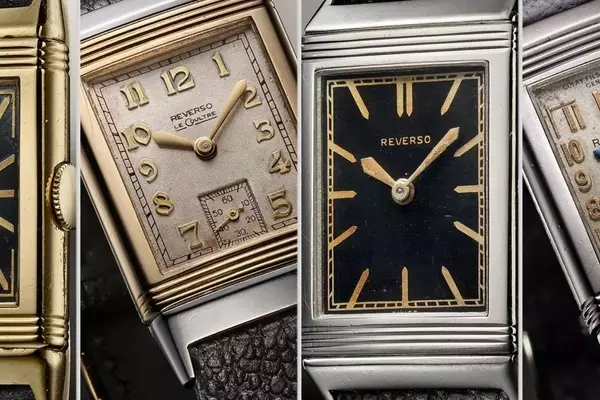
Jaeger-LeCoultre Unveils "The Collectibles" Fifth Capsule: Eight Iconic Reverso Timepieces from the 1930s

Bangalore Watch Company Inaugurates Flagship Boutique