Trending Searches
Patek Philippe's Enduring Legacy in Mechanical Watchmaking
Patek Philippe's enduring success in the luxury watch market is largely attributed to its unwavering dedication to mechanical watchmaking, a commitment that remained strong even during the challenging quartz crisis of the 1970s. Hank Edelman, who began his career with the company's U.S. distributor in 1961, recalls the initial struggle to convince retailers to invest in Patek Philippe's timepieces. At that time, the market primarily favored simple dress watches from the Calatrava line, and introducing more complex models, like a time zone watch, proved to be a significant challenge. However, the brand's philosophy, rooted in creating the finest watches since 1839, guided its path forward, especially after the Stern family acquired the company in the 1930s, ensuring its survival.
A pivotal moment in Patek Philippe's history was the decision by Philippe Stern, son of the owner, to champion mechanical watchmaking when many believed its era was ending. Stern's foresight and courage led to the commissioning of the Caliber 89 for the brand's 150th anniversary in 1989. This timepiece, designed without computer assistance, was the most complex portable timekeeping device of its time, featuring 33 complications. Its introduction, alongside a refined marketing approach, signaled a renaissance for mechanical watchmaking, elevating it from a fading craft to a thriving luxury industry. The company also shifted from a retailer-focused approach to a consumer-facing brand in the mid-1980s, consolidating its global messaging and fostering a direct connection between consumers and their timepieces.
This strategic shift, combined with the groundbreaking Caliber 89 and the iconic "Generations" campaign launched in 1996, profoundly transformed the perception of Patek Philippe watches. What was once primarily an argument about retaining value evolved into an appreciation for escalating worth, cementing the brand's legacy as a symbol of enduring luxury and craftsmanship. This narrative underscores the importance of vision and resilience in preserving heritage and adapting to changing market dynamics.
The journey of Patek Philippe exemplifies how unwavering commitment to quality and a willingness to innovate, even in the face of adversity, can lead to remarkable and lasting success. It showcases the power of a clear vision and strategic adaptation in not only overcoming challenges but also in redefining an entire industry. The brand's story is a testament to the idea that true excellence, coupled with forward-thinking leadership, can cultivate a legacy that inspires and endures through generations.
Related Articles
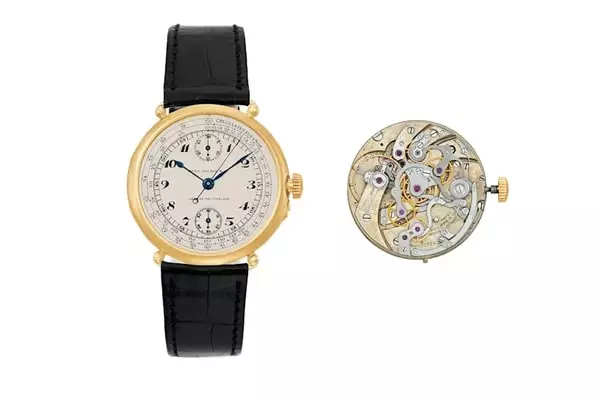
Patek Philippe's Pioneering Split-Second Wristwatches: A Deep Dive into Victorin Piguet's Legacy
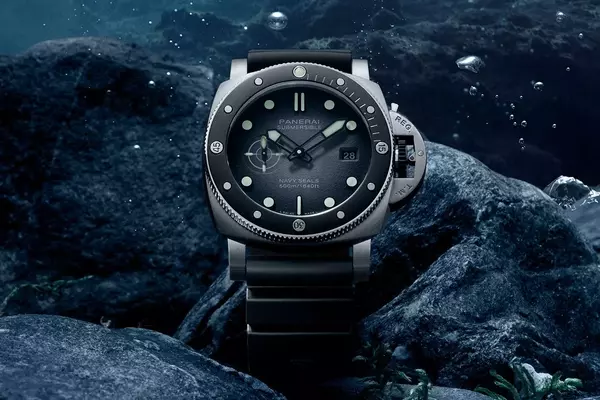
Panerai Unveils New Navy SEALs Dive Watches: The PAM01738 and PAM01089 Afniotech™ Edition