Trending Searches
Rolex Dominates Luxury Watch Market Despite Production Cuts in 2025
Rolex, a leading brand in the Swiss watch industry, deliberately scaled back its manufacturing output in 2025 for the second consecutive year. This strategic decision was made even as the brand significantly expanded its dominance in the market. The industry as a whole continued to prioritize the production of high-value timepieces over mass quantities, a trend confirmed by an analysis from Swiss bank Vontobel.
According to estimates from Vontobel's analysts, Rolex's leadership in the market was further solidified over the past two years. The brand's sales now represent 61% of the total value for watches exceeding CHF 3,000, marking an increase from 57% in 2023. This annual report, produced by the Swiss investment bank, serves as a crucial benchmark for industry executives and investors, providing insights into the health and direction of the luxury watch sector. The 2026 report indicates that the industry faces considerable challenges, including rising gold costs and a strong Swiss franc. While a select few brands are thriving, many others are encountering difficulties.
The Swiss watch industry experienced a reduction of 220,000 units in exports for watches priced above CHF 3,000 over the last two years, indicating a 10% decrease in volume. This suggests that even the premium segment of the market is not immune to pressures on sales volume. Only a few prominent brands, such as Cartier, Audemars Piguet, Patek Philippe, and Richard Mille, managed to maintain or increase their production volumes. In contrast, several other major players have seen a notable decline. Brands heavily reliant on a more volatile male customer base and facing challenges in key markets like China, including Richemont's IWC, Jaeger-LeCoultre, and Panerai, along with Swatch Group's Omega and LVMH's Hublot, appear to be under particular strain.
Rolex's strategy to limit production, likely a deliberate move to enhance exclusivity and pricing power rather than focusing on increased unit sales, continues to shape its market position. The Vontobel report also highlights the remarkable expansion of the Rolex Certified Pre-Owned initiative, which is now estimated to be worth nearly CHF 500 million in sales. This program, involving key retailers such as Bucherer, Tourneau, Watches of Switzerland, and The 1916 Company, has rapidly grown since its inception in late 2022. The bank suggests that if the Rolex CPO program were an independent entity, its sales volume would place it among the top ten competitors in the Swiss watch industry. The report further notes that despite consumer concerns and industry price adjustments, watch price increases have not kept pace with the dramatic surge in gold prices. Last year, gold prices rose by approximately 67% to unprecedented levels, while the average price of precious-metal watches increased by only 9% in 2025 and 8% in the preceding year. This discrepancy suggests a complex interplay of market forces that continues to challenge manufacturers and consumers alike. An upcoming report from Morgan Stanley, in collaboration with LuxeConsult, is expected to provide further analysis on the industry's condition.
The luxury watch sector, while facing economic headwinds and shifting consumer behaviors, exemplifies resilience and strategic adaptation. Brands like Rolex demonstrate that maintaining exclusivity and brand value through controlled production can lead to sustained market leadership. The burgeoning certified pre-owned market also highlights a growing consumer appreciation for timeless quality and enduring value, encouraging sustainable practices within the luxury sphere. The industry's evolution reflects a commitment to craftsmanship and innovation, inspiring both manufacturers to refine their offerings and consumers to invest in pieces that transcend fleeting trends, embodying a legacy of precision and elegance.
Related Articles
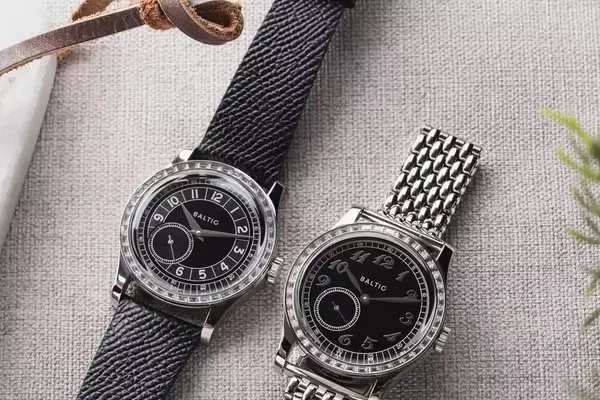
Baltic Unveils Limited Edition MR Moissanite Watch: A Dazzling Farewell to the Original Series
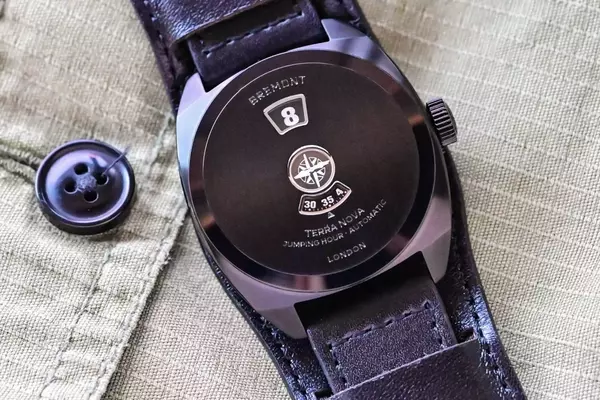
Bremont Terra Nova 38 Jumping Hour Stealth Black DLC: A Tactical Evolution in Timekeeping